

Cut through the confusion—literally. If you’re hunting for the best circular saw, you’ve landed in the right place. We’re slicing through the noise to bring you the top models that won’t choke on hardwood, wobble on the job, or vaporize your budget. From DIY warriors to pro contractors, there’s a perfect blade for everyone. So grab your goggles, tighten your grip, and let’s power through the sharpest picks on the market—no fluff, just sawdust and solid advice.
Top 5 Circular Saws:
1. Metabo HPT 36V Cordless Circular Saw

After using the Metabo HPT 36V Cordless Rear Handle Circular Saw on multiple framing jobs, I was genuinely impressed by how much power they packed into such a lightweight tool. At just 2 pounds lighter than its closest competitor, it made overhead and extended cuts easier on the arms without sacrificing performance.
Powered by a single 36V MultiVolt battery, this saw powered through cut after cut—up to 500 2x4s on a single charge. It breezed through thick stacks of OSB and plywood with a smooth, confident motion. The left-side blade design offered a clear sightline, which made following cut marks almost automatic. I rarely needed to double-check my cuts—they landed right where I wanted them.
Bevel cuts were also a breeze. The 53° bevel capacity with positive stops at 0°, 45°, and 53° gave me flexibility for framing angles without fiddling too much. Safety features like the electric brake and brushless motor added both peace of mind and longevity.
Swapping between battery and the optional AC adapter made it even more versatile for longer job days. The included rafter hook and depth adjustments showed that this was built with real jobsite use in mind.
Overall, this saw delivered corded performance with cordless freedom, and didn’t leave me sore at the end of the day.
2. DEWALT DWE575SB Corded Circular Saw

Cutting with the DEWALT DWE575SB Corded Circular Saw feels like slicing through butter. I’ve used this tool on framing projects, subfloors, and even trim work—and it handles each task like a pro. At just 8.8 pounds, it’s one of the lightest circular saws I’ve worked with, which makes a big difference when you’re holding it for long periods or making overhead cuts.
The 15-amp motor doesn’t hesitate, even on dense wood. I ripped through 2x12s without it slowing down once. One standout feature is the electric brake. As soon as I release the trigger, the blade stops fast—something you’ll appreciate more the longer you use it. The bevel capacity goes up to 57 degrees, with preset stops at 22.5 and 45, which adds great versatility when working with angles.
Its aluminum base is smooth and durable, helping me make cleaner cuts every time. The lower guard is designed to stay out of the way, especially when making bevel cuts or slicing shims. There’s also a built-in dust blower, which keeps the cutting line clear and saves me from guessing mid-cut.
And then there’s the cord. DEWALT’s patented Tough Cord system holds strong, even after a few accidental tugs. Overall, this saw combines power, safety, and smart design in one lightweight package. It’s now my go-to for just about every job.
What kind of wood would you cut with it first?
3. SKILSAW SPT77WML Corded Circular Saw
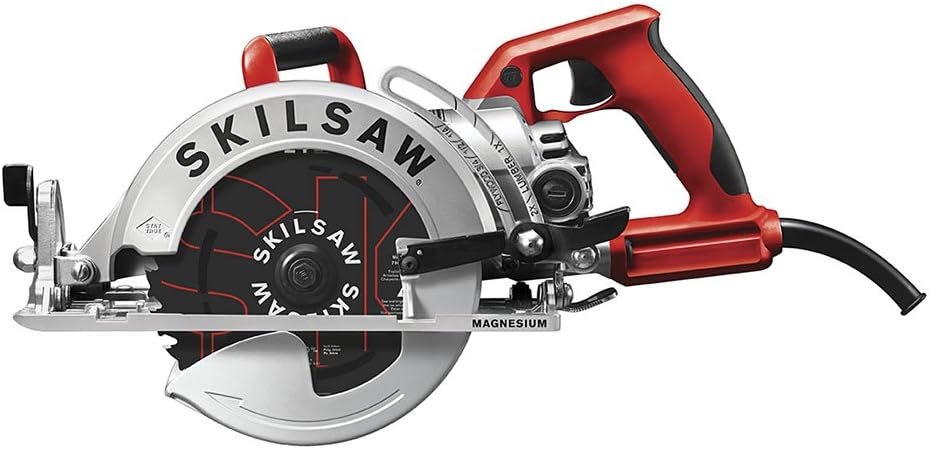
Cutting through lumber with the SKILSAW SPT77WML feels like slicing butter with a hot knife. I used it for framing and some heavy-duty rip cuts, and this saw delivered without breaking a sweat—or my back. At just 11.5 pounds, it’s noticeably lighter than other worm drive saws I’ve handled, which makes a real difference during long sessions.
The magnesium housing helps reduce fatigue, and it still feels rugged and stable in the hand. SKILSAW’s Cut-Ready depth system is incredibly useful—switching between ¼ ply and 2x materials is quick, no guesswork needed. And with a max cutting depth of 2-3/8 inches at 90°, I got clean, deep cuts on thick stock without hesitation.
Power-wise, that 15-amp Dual-Field motor doesn’t just rip—it stays cool even when you’re pushing through multiple boards. I especially appreciated the smooth operation of the anti-snag lower guard, which made finish cuts cleaner than expected.
The 53° bevel range, with positive stops at 0° and 45°, gave me flexibility on angled cuts I used to reserve for the miter saw. Whether you’re a full-time framer or a weekend DIY warrior, this saw feels like a serious upgrade. Straight out of the box, it includes a quality SKILSAW blade, so you’re ready to get to work fast.
4. Milwaukee 2732-20 M18 Fuel Cordless Circular Saw

Reading blueprints is one thing—cutting through them in wood form is another. I tested the Milwaukee 2732-20 M18 Fuel Cordless Circular Saw on a full room renovation, and it didn’t blink once. This cordless beast cuts as powerfully as any 15-amp corded model I’ve used, but without the hassle of extension cords or outlets.
The saw feels tough in the hand, thanks to its magnesium shoe and guards. It’s clearly built for jobsite abuse. The electric brake was a standout—it stops the blade almost immediately after I let go of the trigger, which makes moving from cut to cut safer and faster.
I made over 500 cuts on a single charge and still had juice left. That’s efficiency. The LED light helped line up my marks perfectly, especially in low-light corners, and the integrated rafter hook made it easy to hang the saw while measuring or grabbing material.
Another plus? The dust port and included vacuum adapter worked surprisingly well, keeping the cutting line visible and the air clearer in my workspace. I didn’t expect a cordless circular saw to outperform a corded one, but this Milwaukee does just that, without feeling bulky or underpowered.
If you’re building, remodeling, or just tackling weekend projects, this tool is ready to go. And yes, it runs like a pro, right out of the box.
5. SKIL 5280 Corded Circular Saw

Reading plans, blueprints, and measurements is second nature on any jobsite—but nothing reads quite as well as a clean, straight cut. After putting the SKIL 5280 Corded Circular Saw to the test, I found it delivers serious cutting performance in a simple, no-fuss package that just works.
With a 15-amp motor spinning at 5,300 RPM, this saw chewed through plywood and framing lumber without hesitation. The included 7-1/4-inch carbide-tipped blade gave smooth results right out of the box. I appreciated the built-in dust blower—it kept my cut line clear, so I wasn’t second-guessing where I was going.
The 51° bevel capacity, with a positive stop at 45°, made angled cuts fast and reliably. Whether trimming deck boards or cutting roof rafters, it stayed on point. Blade changes were quick thanks to the spindle lock and on-tool wrench—no hunting for extra tools.
It’s also reassuring to have the safety lock and guarded trigger, especially when working in a busy environment. The power-on indicator is a nice touch, too.
For a corded saw, it’s lightweight, accurate, and has the right features for a solid day’s work. Whether you’re building a deck or flipping a garage, the SKIL 5280 brings dependable power without overcomplicating things.
The Ultimate Buying Guide For The Best Circular Saw
Introduction
A circular saw is one of the most powerful and versatile tools in any woodworker’s toolkit. Whether you’re slicing through plywood, making bevel cuts for cabinetry, or framing a house, the right circular saw makes the job faster, cleaner, and more precise. Choosing the right model helps you save time, avoid frustration, and get professional-quality results at home or on the job site.
Types of Circular Saws
Circular saws come in a variety of configurations, each with strengths that suit different skill levels and tasks. Before buying, it’s essential to understand how each type works and what makes them ideal for specific use cases.
Sidewinder Circular Saw
Also known as an inline saw, the sidewinder features a motor mounted next to the blade, which makes it compact and lightweight. This is the most common type of circular saw and a favorite among DIYers and casual users because it’s easy to handle and delivers fast blade speed. It’s perfect for general carpentry and home improvement projects.
Worm Drive Circular Saw
Worm drive saws have the motor at the rear of the tool, which transfers power through a set of gears to deliver high torque. Though heavier and longer than sidewinders, these saws excel in cutting thick, wet, or hard materials. They’re the go-to choice for professionals and framers who need torque and durability.
Hypoid Circular Saw
Hypoid saws look similar to worm drives but use a different gear system. They’re designed for higher efficiency, reduced maintenance, and long-term performance. With sealed gearboxes and oil-bath lubrication, hypoid saws are ideal for heavy-duty users who don’t want to worry about frequent upkeep.
Cordless Circular Saw
Cordless models offer ultimate portability and freedom from cords. Advances in lithium-ion battery technology mean today’s cordless saws can rival corded models in power and runtime. They’re ideal for jobsites with no power outlets, quick cuts around the house, or users who prefer a clutter-free workspace.
Compact or Mini Circular Saw
These small saws are easy to control and maneuver, making them great for cutting thin sheets of plywood, plastic, or metal. While they won’t cut through thick lumber, their light weight and precision make them perfect for DIYers, hobbyists, and users with limited hand strength or space.
Track Circular Saw
Track saws are specialized tools used for precise, straight cuts—especially on sheet goods like plywood or MDF. Often considered a hybrid between a circular saw and a table saw, they run along a metal track for ultra-accurate results. Cabinetmakers and finish carpenters find them indispensable.
Key Features to Look For
1. Blade Size
Blade size determines how deep your saw can cut. The most common size is 7¼ inches, which cuts through most 2x lumber in a single pass. Compact saws may use 4½- or 6½-inch blades, which offer more control but shallower cuts. Choose a size based on your typical project needs.
2. Motor Power (Amps or Volts)
For corded saws, motor strength is measured in amps, with 13–15 amps being standard for robust performance. For cordless saws, voltage is key—look for 18V or 20V models to ensure enough cutting power. More power helps maintain speed through dense or wet wood.
3. Bevel Capacity and Adjustments
Most circular saws allow for bevel cuts by tilting the base plate. A standard bevel range is 0° to 45°, but some high-end models offer 50° or more. Clear markings, tool-free levers, and stops at common angles make bevel adjustments smoother and more accurate.
4. Bonus Features
-
Electric brake: Quickly stops the blade after you release the trigger, improving safety.
-
Laser guides or LED lights: Help you follow the cut line precisely, especially in dim lighting.
-
Dust blower or vacuum port: Keeps the cutting line visible and reduces cleanup.
-
Spindle lock: Makes blade changes easier by locking the blade in place.
Things to Consider Before Buying
Budget
Circular saws span a wide price range. Entry-level corded models can start around $50–$80, while mid-range options with better power and durability land around $100–$150. Premium saws with pro-grade features or brushless motors can cost $200–$300 or more. Know what your projects require so you don’t overspend or underbuy.
Size and Storage Space
If you’re limited on space or plan to carry your saw frequently, consider compact or cordless models. Worm drive and hypoid saws are bulky but more powerful—great for stationary work but less convenient for transport.
Ease of Use
Features like ergonomic handles, well-balanced weight, easy blade changes, and clear markings contribute to overall usability. For beginners, lightweight sidewinders or mini saws are easier to manage than heavier worm drive models.
Durability and Warranty
Look for models with sturdy construction—magnesium or aluminum housings are both strong and lightweight. Sealed gearboxes on hypoid saws reduce wear over time. A good warranty (2–5 years) adds peace of mind, especially for regular users. Always check if replacement parts and support are easy to access.
Pros and Cons of Circular Saws
| Pros | Cons |
|---|---|
| Fast and efficient cutting | Can be dangerous without proper safety |
| Works on wood, metal, and plastics | Loud and generates dust |
| Suitable for crosscuts and rip cuts | Quality blades can be expensive |
| Available in both corded and cordless | Heavier models can cause fatigue |
Step-by-Step Buying Guide
1. Research Your Needs
Start by identifying what materials you’ll be cutting and how often you’ll use the saw. Occasional DIY projects? A mid-range sidewinder will do. Need to cut framing lumber daily? Go with a worm drive or brushless cordless model. If you often work with sheet goods, consider a track saw.
2. Compare Products
Look beyond just price—compare specs like RPM (speed), torque, weight, and included accessories. Read customer reviews to gauge reliability and common issues. Check YouTube reviews or forums to see the tool in action. Brands like Makita, DeWalt, Milwaukee, Bosch, and Skil have solid reputations.
3. Finalize Your Choice
Once you narrow it down, check for:
-
Warranty terms
-
Return policy
-
Availability of replacement parts
-
Retailer reliability
Buy from trusted tool shops or official brand outlets to avoid counterfeit products. Online stores often bundle circular saws with bonus blades, batteries, or carrying cases, which can add value.
Maintenance Tips
1. Keep the Blade Sharp
Dull blades burn material, slow down cuts, and overwork the motor. Sharpen or replace them regularly based on usage. Always choose the right blade for the material—wood, metal, or masonry.
2. Clean the Saw Regularly
After each use, clear dust from the motor vents, guard, and blade area. Use compressed air or a brush to prevent buildup. Dust can clog the motor and reduce performance over time.
3. Inspect and Lubricate
Check the baseplate for alignment, and ensure the bevel and depth controls move freely. For worm drives and hypoid saws, follow manufacturer guidelines for oiling the gear system.
Common Issues and Troubleshooting
Problem: Blade Wobble or Poor Cuts
Fix: Tighten the arbor nut and inspect the blade for damage. Replace warped blades immediately.
Problem: Saw Doesn’t Start
Fix: For corded saws, check the outlet, fuse, and cord integrity. For cordless, charge or replace the battery. Inspect the trigger switch if the issue persists.
Problem: Burning Wood While Cutting
Fix: Likely due to a dull or incorrect blade. Use the right blade type, clean pitch off the teeth, and don’t push too hard.
Problem: Kickback or Binding
Fix: Ensure proper blade depth—too deep increases resistance. Keep both hands on the saw and avoid cutting unsupported or warped boards.
Final Words
Choosing the best circular saw is about more than just power—it’s about matching the tool to your specific projects and preferences. From lightweight sidewinders to torque-heavy worm drives and cordless workhorses, there’s a perfect saw for every skill level and job type. Prioritize safety, usability, and durability. A reliable circular saw not only helps you work faster and cleaner but also gives you the confidence to tackle bigger, better projects with professional results.
Whether you’re a weekend DIYer or a seasoned contractor, investing in the right circular saw will pay off for years to come. Happy cutting!