
If your helmet can’t talk back, track your ride, or play your favorite playlist, it might be time for an upgrade. Today, we’re diving into the future of two-wheel tech — smart helmets! These aren’t your average brain buckets; they’re safety gear with IQ points. From built-in Bluetooth and voice control to navigation and crash alerts, these five smart helmets are redefining what it means to ride connected. So, buckle up—or rather, strap in—because by the end of this video, your old helmet might start feeling a little… unintelligent.
Top 5 Smart Helmets:
1. Sena Phantom

Sena Phantom transforms your ride into a connected, high-tech experience. This full-face smart motorcycle helmet blends premium comfort with Harman Kardon’s 2nd Generation SOUND, delivering crystal-clear music and intercom clarity that outshine older Bluetooth helmets. You’ll feel the difference as the composite fiberglass shell and EPS padding hug securely, meeting top DOT and ECE standards for safety. Bluetooth smartphone connectivity keeps calls, music, and GPS right in your control. At the same time, WAVE and Mesh Intercom link you seamlessly to fellow riders. LED taillights with brake-sensing tech add a new layer of visibility that rivals a few competitors. The retractable tinted visor quickly adapts to changing light, making rides easier on your eyes. What stands out most is the crisp, noise-controlled communication powered by Harman Kardon audio engineering. Weight could feel slightly heavier after long trips. For modern riders wanting safety, connection, and clarity, Sena Phantom leads the pack.
2. LS2 Smart Helmets

LS2 Smart Helmets redefine modular riding comfort with thoughtful design and solid protection. The LS2 Advant modular helmet stands out for its 180° rotating chin guard, letting you switch between open and full-face modes with ease. Crafted from Kinetic Polymer Alloy, it feels sturdy yet lighter than many dual-certified helmets. Its removable liner and 3D laser-cut cheek pads keep you cool during long rides, while the adjustable ventilation system adds a refreshing airflow. Vision remains sharp through the “A Class” polycarbonate shield, which resists scratches and UV rays better than most in its class. You’ll appreciate the included Pinlock insert that prevents fogging in damp conditions. The built-in sunshield flips down instantly, saving time when light changes. Quick-release chin strap and emergency cheek pad system add peace of mind. Fit runs slightly smaller than expected. For performance, clarity, and flexibility, LS2 Smart Helmets deliver an exceptional experience.
3. ScorpionEXO AT960

ScorpionEXO AT960 brings adventure-ready design and road-tested comfort into one powerful modular helmet. Its advanced polycarbonate shell feels lighter than most dual-certified models while maintaining impressive strength and balance. Aerodynamic shaping cuts through wind smoothly, keeping rides quieter and steadier at high speeds. You’ll appreciate how the aero-tuned ventilation system channels cool air efficiently, paired with the moisture-wicking KwikWick C liner that stays dry even on long trips. Visibility shines through the Everclear fog-free shield and wide eye port that expands your field of view far better than typical helmets. Swapping between the drop-down Speedview sun visor or goggles adds flexibility across riding conditions. Compatibility with the EXO-COM Bluetooth kit makes communication effortless without bulky add-ons. Weight may feel noticeable during extended touring. What stands out most is how comfortably it transitions from off-road excitement to highway touring with seamless control and clarity.
4. Sena OutForce Smart Helmet

Sena OutForce Smart Helmet turns daily rides into connected adventures. This full-face helmet integrates speakers and a microphone seamlessly, unlike others that require messy installations. Bluetooth connectivity keeps you linked to your phone for GPS, calls, and playlists, while its 4-way intercom connects up to four riders clearly within 0.6 miles. Ventilation feels efficient thanks to front and rear air channels that keep airflow balanced in hot weather. Its retractable sun visor slides down smoothly for instant glare protection. You’ll enjoy how intuitive the three-button control is, even with gloves on, and the micro ratchet chin strap locks in securely. HD 2-way intercom performance outpaces most midrange competitors with crisp, uninterrupted voice quality. Battery endurance lasting 12 hours ensures long road sessions without fuss. Fit runs slightly snug for wider heads. OutForce excels by delivering tech-rich communication and comfort that genuinely enhance every mile.
5. ILM Smart Helmet
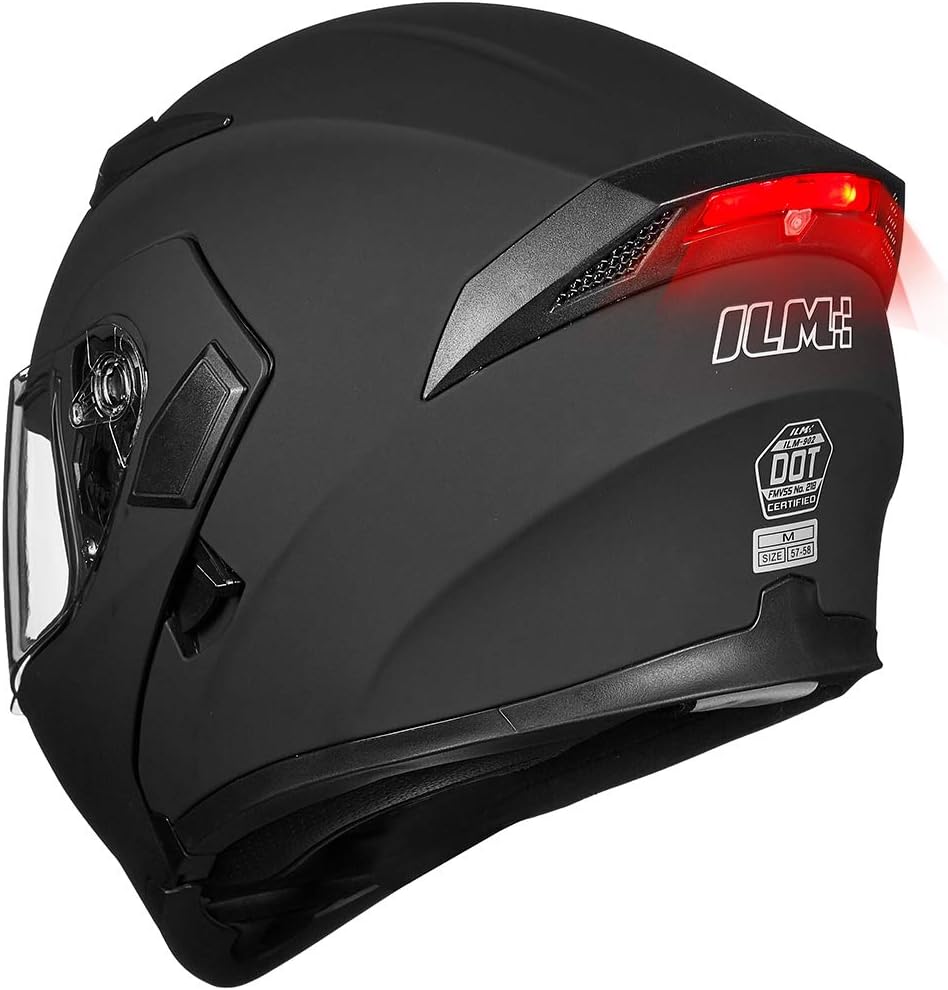
ILM Smart Helmet delivers solid value with comfort and practicality that outperform many budget modular options. Its high-resistance ABS shell feels sturdy yet remains light enough for long rides. You’ll appreciate the flip-up design that lets you switch from full to open face effortlessly during short stops. Ventilation performs well, keeping air moving while reducing wind noise compared to other helmets in its class. The dual visor system, featuring an anti-scratch, anti-fog clear shield and retractable inner visor, adapts quickly to changing light. Inside, the soft, removable liner and cheek pads stay cool and clean after extended use. Quick-release chin strap adjustment makes securing or removing it simple, even with gloves on. What stands out most is how quietly it handles highway speeds for its price. Interior padding could feel a touch firm for some riders. For everyday commuting and weekend rides, the ILM Smart Helmet offers impressive versatility and reliability.
Ride Smarter, Safer, and More Connected – The Ultimate Guide to Choosing the Best Smart Helmet
Introduction
Safety has always been a top priority for riders, but technology has taken it to a whole new level. Enter the smart helmet — a revolutionary blend of protection, connectivity, and intelligence designed to make your rides not just safer, but more enjoyable and efficient. Unlike traditional helmets that focus solely on physical protection, smart helmets integrate advanced features such as Bluetooth communication, built-in cameras, GPS navigation, voice control, and even accident detection sensors.
For motorcyclists, cyclists, and e-scooter riders, smart helmets provide a seamless way to stay connected without compromising safety. Imagine taking calls, listening to music, or following GPS directions hands-free — all while keeping your eyes on the road. These helmets enhance convenience, reduce distractions, and improve overall awareness.
Beyond comfort and connectivity, many smart helmets are now equipped with safety innovations like impact alerts and SOS functions that notify emergency contacts in case of a crash. Some even come with rearview cameras or built-in lights, helping riders see and be seen in all conditions.
Commuters love smart helmets for their noise-cancelling communication systems, while adventure riders appreciate real-time performance tracking and navigation. Even casual cyclists benefit from features like auto-lighting and fitness tracking.
As roads get busier and vehicles become faster, smart helmets bridge the gap between traditional safety gear and modern technology. They empower users to ride smarter, stay safer, and enjoy greater peace of mind. Whether you’re a tech enthusiast, a long-distance tourer, or a city commuter, investing in the right smart helmet can transform your riding experience forever.
Types of Smart Helmets
Smart helmets come in several forms depending on the type of riding, functionality, and technology level. Let’s explore the main categories to help you identify which one suits your lifestyle best.
1. Bluetooth-Enabled Smart Helmets
These helmets integrate Bluetooth technology that allows you to connect your smartphone for calls, music, and GPS. They’re perfect for motorcyclists and cyclists who want basic smart features without overwhelming tech. Bluetooth helmets are typically lightweight and affordable, offering the essential hands-free experience most riders need.
2. Integrated Camera Smart Helmets
Equipped with front or rear cameras, these helmets let you record rides, capture scenic routes, or even use footage for safety and insurance claims. Adventure riders, vloggers, and safety-conscious users will appreciate these models. Many also come with loop recording, so the camera overwrites old footage automatically.
3. AR (Augmented Reality) Smart Helmets
AR helmets display real-time information directly on your visor, such as speed, navigation, and hazard alerts. They’re ideal for tech-savvy riders and professionals who want futuristic riding experiences. Some even feature voice assistants and head-up displays (HUDs) that minimize distraction.
4. Smart Cycling Helmets
Designed for cyclists and e-bike users, these helmets are lightweight and include integrated lights, turn signals, and crash detection sensors. They often sync with mobile apps for ride statistics and location tracking, making them excellent for urban commuters and fitness riders.
5. Modular Smart Helmets
These are multi-functional helmets with detachable components — perfect for users who want versatility. You can switch between a Bluetooth module, camera, or communication device depending on your ride type. They suit riders who like customization and frequently switch between commuting and long-distance rides.
Key Features to Look For
When buying a smart helmet, the right features can make a big difference in safety, comfort, and usability. Here’s what to prioritize:
1. Connectivity (Bluetooth and App Integration)
A good smart helmet should allow seamless connection with your smartphone, enabling hands-free calls, music control, and navigation. Check compatibility with Android and iOS devices, and look for helmets with intuitive companion apps for firmware updates and customization.
2. Safety Sensors and Impact Detection
Modern smart helmets use G-sensors and accelerometers to detect accidents. In the event of a crash, the helmet can automatically send SOS alerts with GPS coordinates to emergency contacts. This feature can be life-saving, especially for solo riders.
3. Built-in Cameras
Integrated cameras let you record journeys, capture incidents, and enhance safety by providing visual evidence. Opt for helmets offering 1080p or 4K resolution, wide-angle lenses, and good stabilization. Some models even include night vision or rearview cameras.
4. Comfort and Fit
No matter how smart the helmet is, it must feel comfortable. Look for adjustable straps, lightweight shells, and breathable padding. Ventilation channels also prevent overheating on long rides.
5. Battery Life
A long battery life ensures your helmet won’t die mid-ride. Aim for at least 8–12 hours of active use per charge. Fast-charging options are a plus, especially for frequent riders.
6. Noise Control and Intercom
For group riders, built-in intercom systems enable seamless communication with fellow riders. Noise-cancellation technology reduces wind and engine noise, ensuring clear audio even at high speeds.
7. Lighting and Visibility
Many smart helmets include LED lights or turn signals to improve visibility at night. These are especially valuable for cyclists and urban commuters navigating traffic.
8. Voice Control
Voice assistants like Siri or Google Assistant allow you to operate the helmet hands-free, minimizing distractions while accessing calls, music, or navigation.
Things to Consider Before Buying
Budget
Smart helmets range from $150 to over $1000, depending on features.
-
Entry-level models ($150–$300): Bluetooth connectivity, basic lighting, limited battery life.
-
Mid-range ($300–$600): Built-in camera, app integration, good audio quality.
-
Premium ($600+): AR displays, crash detection, top-tier materials, and long battery life.
Always balance your budget with your riding needs — don’t overpay for features you won’t use.
Size and Fit
A helmet that doesn’t fit properly can be unsafe. Check sizing charts, and make sure it fits snugly without pressure points. Many brands offer custom padding or adjustable liners for a better fit.
Ease of Use
Choose a helmet with intuitive controls — large, glove-friendly buttons or voice commands help maintain focus on the road. A clear mobile app interface is also a plus.
Durability and Warranty
Smart helmets are an investment, so opt for reputable brands with solid warranties (1–3 years). Check for certifications like DOT, ECE, or CPSC, ensuring the helmet meets safety standards.
Pros and Cons
Pros
-
Enhanced safety: Crash alerts, visibility lights, and cameras improve overall security.
-
Hands-free connectivity: Makes communication and navigation safer and easier.
-
Comfort and convenience: Modern designs reduce noise and increase comfort.
-
Recording capability: Ideal for vlogging or documenting rides.
-
Future-ready features: AR, HUD, and AI integration for advanced use.
Cons
-
High cost: Advanced tech comes at a premium price.
-
Battery dependence: Needs regular charging to keep features functional.
-
Maintenance: Electronics require careful handling and occasional updates.
-
Weight: Some models can be heavier due to built-in gadgets.
-
Limited water resistance: Not all are designed for heavy rain exposure.
Step-by-Step Buying Guide
1. Research Your Needs
Identify your riding style and environment.
-
Daily commuter? Prioritize comfort, lighting, and Bluetooth.
-
Adventure rider? Go for camera and GPS features.
-
Cyclist or e-biker? Look for lightweight helmets with visibility aids and impact alerts.
2. Compare Products
Read user reviews and expert opinions. Compare features like battery life, connectivity, audio clarity, and build quality. Platforms like Amazon and Reddit motorcycle forums are great for real-user insights.
3. Finalize Your Choice
Before buying, check:
-
Warranty coverage and customer support reputation.
-
Return or exchange policy in case of sizing issues.
-
Authorized retailers or official websites for authentic products.
Maintenance Tips
1. Keep It Clean
Wipe the outer shell with a damp cloth and use mild soap on inner liners. Avoid harsh chemicals that may damage sensors or electronics.
2. Charge Properly
Follow manufacturer charging guidelines. Overcharging or using cheap cables can reduce battery lifespan.
3. Update Firmware
Regularly update your helmet’s software via the mobile app to fix bugs and enhance features.
4. Store Safely
Keep the helmet in a dry, shaded area. Avoid extreme temperatures, as they can harm internal components.
Common Issues and Troubleshooting
-
Bluetooth Not Connecting: Re-pair your device, restart the helmet, or check for firmware updates.
-
Audio Distortion: Ensure speakers are aligned correctly inside the padding.
-
Battery Draining Quickly: Disable unused features like camera standby or GPS tracking.
-
Fogging Visor: Use anti-fog spray or open vents slightly for better airflow.
Final Words
Choosing the right smart helmet isn’t just about owning a gadget — it’s about enhancing your safety, comfort, and riding experience. With the right model, you’ll enjoy seamless connectivity, better awareness, and peace of mind every time you hit the road.
Whether you ride a motorcycle through mountain trails or cycle across city streets, a smart helmet helps you ride confidently and stay connected. Prioritize features that truly match your needs, and invest in quality — because your safety deserves nothing less than smart protection.